
Sound insulation for walls in Montebello, CA stops airborne and impact noise from passing through wall cavities, structural framing, and gaps that most homeowners never see. Armour Montebello Insulation installs wall and ceiling insulation, mineral insulation, and specialty soundproofing systems for homes, apartments, and commercial spaces across Montebello and the surrounding communities. Montebello's housing stock includes a large share of mid-century attached homes, duplexes, and apartment buildings near the 60 Freeway corridor — structures where party walls are thin and traffic noise travels easily. This page explains every method that works, every material worth considering, and how to decide which path fits your situation.
At a glance
What is sound insulation for walls?
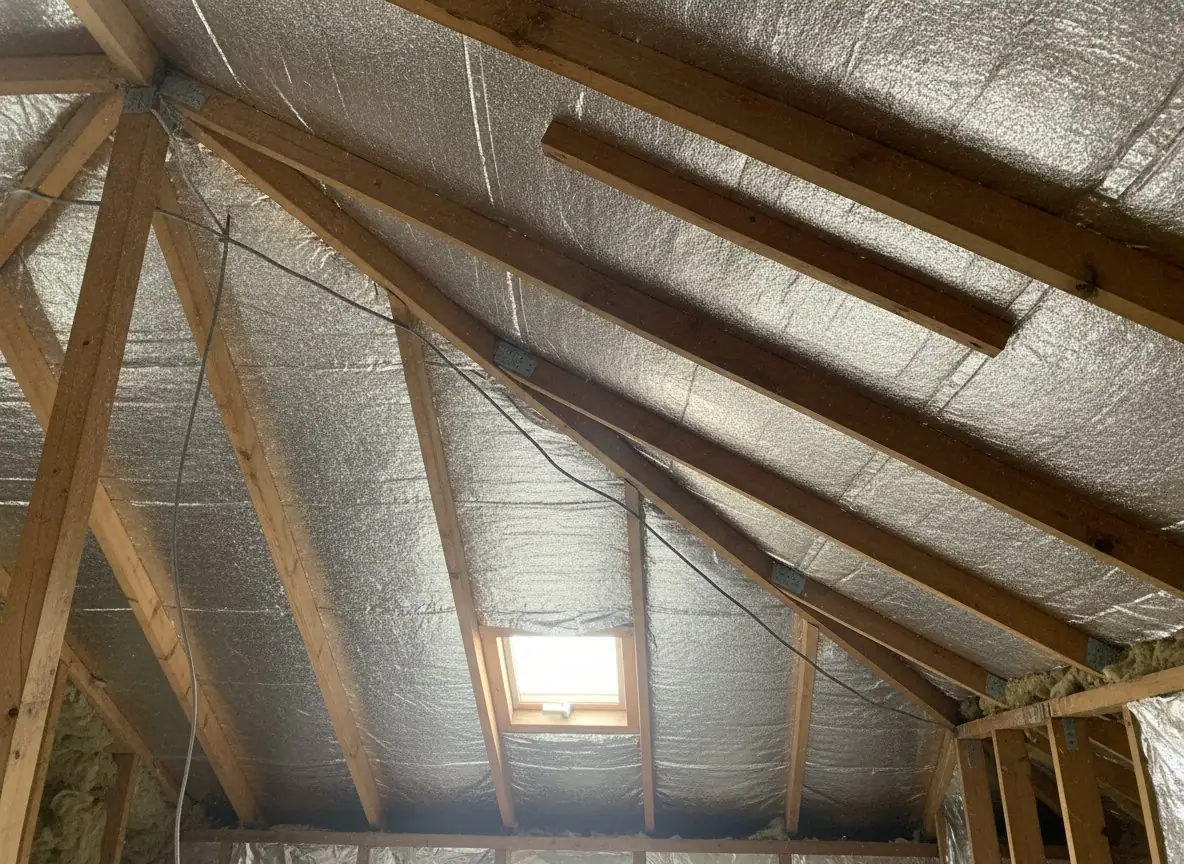
Sound insulation for walls is any combination of construction techniques and materials that reduces the transfer of sound energy through a wall assembly. Sound travels two ways: as airborne waves (voices, music, TV) and as structure-borne vibration (footsteps, HVAC hum, door slams). Effective wall sound insulation must address both paths at the same time. Our guide to insulation materials explains how each option performs against these two paths.
The four principles that govern every soundproofing strategy are absorption, mass, air sealing, and decoupling. No single principle solves a noise problem on its own. A wall that absorbs sound in the cavity but has an open electrical box will still transmit noise freely through that gap. That is why professional sound insulation treats the wall as a complete system.
| Principle | What it does | Typical application |
|---|---|---|
| Absorption | Converts sound energy to heat inside the cavity | Mineral wool batts, acoustic fiberglass, cotton batts between studs |
| Mass | Resists sound wave movement through sheer weight | Double-layer drywall, mass-loaded vinyl (MLV), dense boards |
| Air sealing | Closes flanking paths where sound leaks around insulation | Acoustic sealant, outlet gaskets, putty pads, door sweeps |
| Decoupling | Breaks the rigid connection that carries vibration through framing | Resilient channels, isolation clips, staggered studs, double walls |
Understanding these four principles helps you evaluate whether a product or technique is likely to work — and whether a wall is performing as well as it should.
At a glance
Does wall insulation dampen sound?
Yes, wall insulation dampens sound, but the degree of dampening depends on the density, thickness, and placement of the material — and on how well the rest of the wall assembly is sealed and decoupled. A standard interior wall with no insulation in the cavity typically rates STC 33–39, where STC stands for Sound Transmission Class (higher numbers mean better sound blocking). Adding dense batt insulation alone can push that rating several points higher, but it will not reach the performance levels needed to block loud music or bass without also adding mass and decoupling.
| STC Range | What is audible | Typical wall condition |
|---|---|---|
| 33–39 | Normal speech clearly understood through wall | Standard single-layer drywall, minimal or no cavity insulation |
| ~50 | Loud speech heard as a murmur; privacy achieved | Insulated cavity plus added mass layer |
| 50s–60s | Music and bass significantly reduced | Full system: absorption + mass + air sealing + decoupling |
The right target STC depends on your noise source, which leads directly to the question of which materials are most effective at blocking it.
Free, no-obligation estimates
Talk to Armour Montebello Insulation
Tell us what you need and we’ll take it from there.
At a glance
What material can sound not pass through?
No single material is impenetrable to sound, but dense, heavy, and mechanically isolated materials are the hardest for sound to pass through. Mass-loaded vinyl (MLV soundproofing) is one of the most effective single-layer barrier materials because it combines high mass with flexibility, allowing it to absorb vibration rather than transmit it through rigid framing. Mineral wool is dense enough to absorb mid- and high-frequency sound effectively inside a wall cavity. When these materials are combined and the assembly is properly decoupled, sound has very few paths left to travel.
| Material | Pros | Cons |
|---|---|---|
| Mineral wool batts | Dense; fire-resistant; excellent mid/high-frequency absorption; does not sag over time | Heavier than fiberglass; requires proper handling during installation |
| Acoustic fiberglass batts | Lightweight; widely available; absorbs vibration between studs | Lower density than mineral wool; less effective for low-frequency bass |
| Cotton (denim) batts | Made from recycled content; safe to handle; good mid-frequency absorption | Can absorb moisture if not properly sealed; less fire-resistant without treatment |
| Mass-loaded vinyl (MLV) | High mass in a thin, flexible layer; excellent barrier for airborne noise; pairs well with any cavity insulation | Heavy to work with; must be seamed and sealed carefully to prevent gaps |
| Soundproof panels / noise insulation panels | Can be surface-applied; no demolition required; absorbs surface reflections | Absorptive panels reduce echo but do not block noise transmission through the wall |
Once you understand the properties of each material, the next logical step is deciding how to apply them in your specific room.
How can I soundproof my bedroom walls?
Soundproofing bedroom walls in Montebello starts with identifying the noise path and then applying the three-step process of sealing, adding mass, and decoupling in that order. Skipping step one — air sealing — wastes money on every step that follows, because sound leaking through a single unsealed electrical outlet can undermine an otherwise well-built wall.
- Seal all air leaks. Apply acoustic sealant along wall perimeters, behind baseboards, around pipe penetrations, and at every electrical box. Use putty pads or outlet gaskets inside electrical boxes — these are a common flanking path that is easy and inexpensive to close before installing any other material.
- Add mass and damping. Install a second layer of 5/8-inch drywall with damping compound between layers, or hang mass-loaded vinyl against the existing wall surface before the new drywall goes up. The added mass resists airborne sound waves; the damping compound converts vibration energy to heat rather than transmitting it.
- Decouple the framing. Mount resilient channels or isolation clips between the studs and the new drywall layer so that vibration cannot travel rigidly from one side of the wall to the other. For higher-performance needs, staggered-stud or double-wall construction breaks the mechanical connection entirely.
Read moreShow less
A practical decision rule: if you can hear your neighbor's normal conversation clearly, air sealing and cavity insulation may be enough. If you hear bass from music or a subwoofer, you need mass and decoupling as well, because low frequencies require significant added mass to attenuate. The same logic applies when deciding how to handle a shared wall with a neighbor.
How do you block noise from a shared wall?
Blocking noise from a shared wall — the most common complaint in Montebello's attached homes and apartment buildings — requires treating the full perimeter of that wall, not just its center panel. Sound flanks around wall edges through ceilings, floors, and return-air pathways. Sealing those perimeter paths is often the step that delivers the most immediate improvement.
For renters or residents who cannot open the wall, surface-applied solutions include MLV soundproofing hung directly on the shared wall, followed by a layer of drywall screwed into furring strips. This approach builds an independent, decoupled surface without altering the building's structure — an important consideration in multi-unit buildings where structural changes may require building-owner approval or city permits. In Montebello, any work that involves structural framing typically requires a permit through the City of Montebello Building and Safety Division; we can advise on what your specific project requires.
Knowing which approach fits your wall type also helps you narrow down the best materials for the job.
What are the best sound insulation materials and panels for walls?
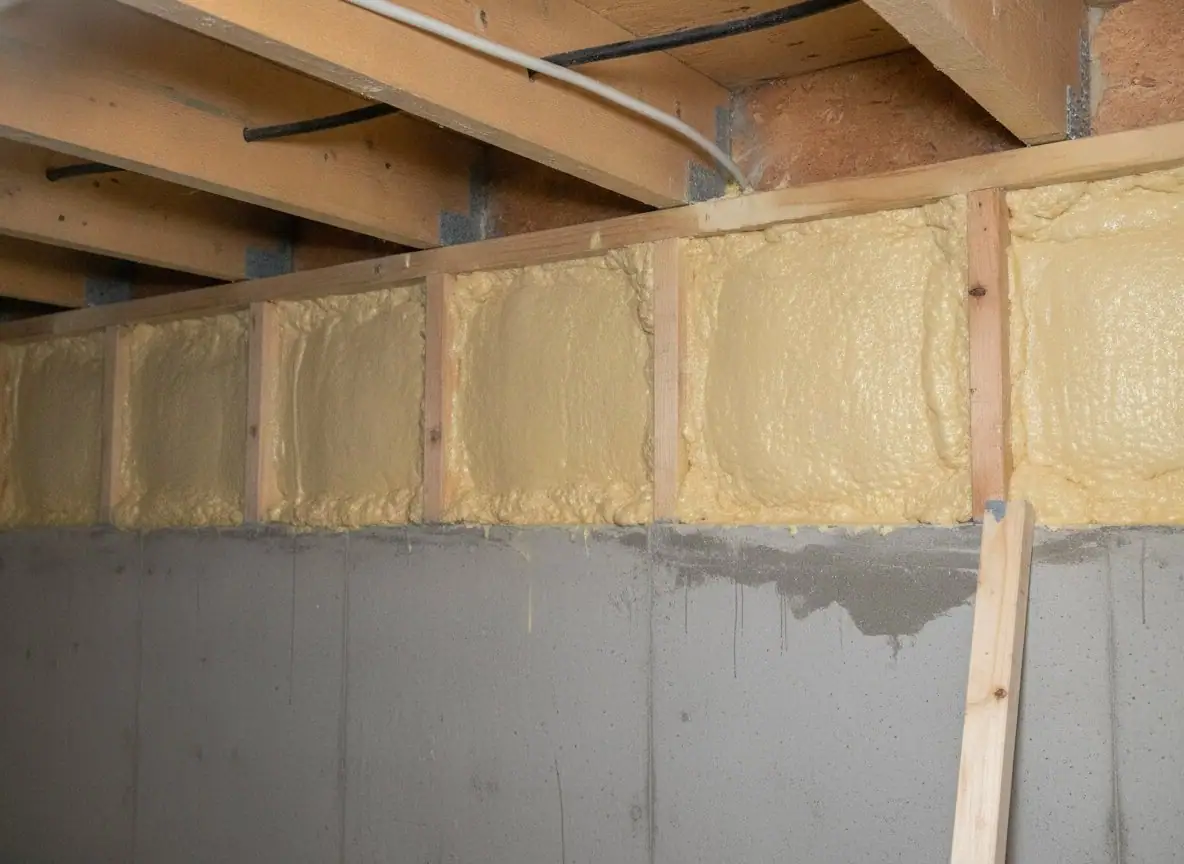
The best sound insulation materials for walls combine high-density cavity fill with a mass barrier and a decoupled surface. Mineral wool batts are often preferred over standard fiberglass for interior soundproofing because their higher density provides better absorption across a broader frequency range, they are fire-resistant, and they do not compress or settle over time. MLV soundproofing adds a limp mass barrier that is especially effective against mid-frequency airborne noise. Acoustic isolation panels and noise insulation panels work best as a finishing layer to reduce surface reflections inside the room — they absorb echo and reverberation but do not replace the need for mass and decoupling when the goal is blocking sound from passing through the wall entirely.
Read moreShow less
One detail many competitor recommendations overlook: the connection between drywall screws and resilient channels is a critical point of failure. If a screw accidentally contacts the stud behind the channel, it creates a direct vibration bridge called a "short circuit" that eliminates most of the decoupling benefit. Proper installation technique — not just material selection — determines whether a decoupled wall actually performs to its rated STC. Once you understand how materials and installation affect performance, our page on cost shows what to expect to pay for a wall that delivers it.
At a glance
What is the cheapest way to reduce noise through walls?
The cheapest way to reduce noise through walls is to seal air leaks first, because acoustic sealant and outlet gaskets cost very little and can produce a noticeable improvement when flanking paths are the dominant noise route. After air sealing, adding mass-loaded vinyl to an existing wall surface without demolition is typically the next most cost-effective step, since it avoids the labor of opening and rebuilding the wall.
| Option | Approach | Best for |
|---|---|---|
| Budget | Air sealing + surface-applied MLV + furring-strip drywall layer | Renters; minor noise issues; shared walls without demolition |
| Full build | Open wall + mineral wool cavity fill + MLV + double drywall with damping compound + resilient channels or isolation clips | New construction; major renovations; home studios; high-traffic noise from the 60 Freeway |
Budget approaches work well for moderate noise problems. Full-build systems are necessary when the goal is reaching STC 50 or higher — the threshold at which loud speech becomes private. If cost is the primary concern, the next section covers how to stretch a limited soundproofing budget further.
How do I soundproof a room cheaply?
Soundproofing a room cheaply means prioritizing the air-sealing step and deferring the more expensive decoupling work until budget allows. A room where every penetration, baseboard gap, and electrical box is properly sealed and where the door has an acoustic door sweep and a solid-core panel will perform substantially better than the same room with premium wall panels but unsealed gaps. Acoustic isolation panels placed on the noisiest wall will reduce flutter echo and high-frequency reflection, which makes the room feel quieter even if the actual sound transmission through the wall has not changed — a useful interim measure while planning a fuller upgrade.
Choosing the right contractor for any of these upgrades makes as much difference as the materials themselves.
How much does sound insulation for walls cost in Montebello?
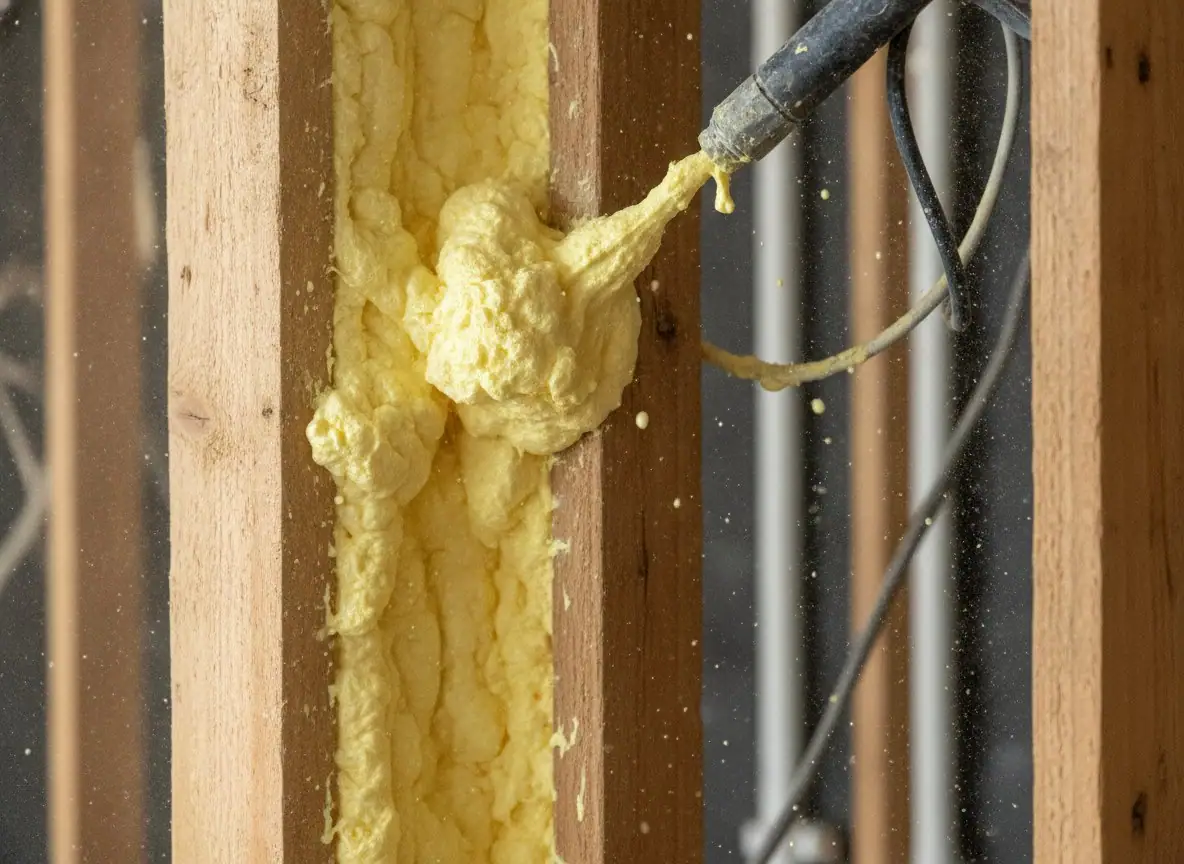
The cost of sound insulation for walls in Montebello varies based on several factors, and we provide a written quote after a free inspection — never before we have seen the actual conditions.
- Wall area (sq ft): More surface area means more material and more labor time.
- Material selection: Mineral wool, MLV, and isolation clips each carry different material costs; the combination you need depends on your target STC.
- Open wall vs. surface application: Opening drywall to insulate the cavity adds demolition and patching labor; surface-applied work avoids that cost.
- Access and site conditions: Tight spaces, high ceilings, or structural obstacles affect labor hours.
- Permits: Projects involving structural framing changes in Montebello may require a permit; permit fees vary by scope.
- Insurance claims: If noise damage relates to a covered event, we can assist with the claims process.
- Financing: Financing options are available for qualifying projects.
Read moreShow less
Call us at (323) 741-5848 to schedule a free inspection. We will assess the wall construction, identify the dominant noise paths, and give you a written estimate with no obligation. Knowing what drives cost helps you evaluate a quote clearly — and knowing your contractor's qualifications matters just as much.
How do you choose a soundproofing contractor in Montebello, CA?
Choosing a soundproofing contractor in Montebello, CA means verifying that the Montebello insulation contractor you hire treats the wall as a complete system — not just a surface to cover. Ask any contractor whether their proposal addresses all four principles: absorption, mass, air sealing, and decoupling. A proposal that skips air sealing or decoupling will underperform regardless of how much material is used.
Confirm the contractor is bonded and insured, so you are protected if something goes wrong during installation. Ask whether they handle permits for projects that require them in Montebello. Ask whether they can assist with insurance claims if the project relates to a covered loss. Armour Montebello Insulation is bonded and insured, provides free inspections, assists with insurance claims, and offers financing for qualifying projects. Our trained technicians install mineral insulation, wall and ceiling insulation, MLV soundproofing, and specialty systems across Montebello and the nearby communities listed below, and all insulation services in Montebello are outlined on our services page.
Read moreShow less
Areas we serve: Montebello, Commerce, Pico Rivera, Monterey Park, East Los Angeles, Whittier, Rosemead, Alhambra, Downey, South Gate, Norwalk, Bell Gardens, Los Angeles, South Pasadena, El Monte, Compton, Pasadena, Long Beach, Anaheim.
We offer 24/7 emergency service for situations that cannot wait.
Ready to reduce noise in your home? Call (323) 741-5848 or request a free sound insulation estimate online. We serve Montebello and all surrounding communities with no obligation and no pressure — just an honest assessment of what your walls need.
FAQ
FAQ
What is an STC rating and what number do I need?
STC stands for Sound Transmission Class. It is a single-number rating of how much sound a wall assembly blocks; higher numbers mean less sound passes through. Standard walls rate STC 33–39, where normal speech is clearly audible. An STC of approximately 50 is the threshold at which loud speech becomes a murmur and speech privacy is achieved. STC in the 50s–60s is typically required to significantly reduce music and bass. The number you need depends on your noise source: conversational privacy requires less than blocking a home theater or street-level traffic noise from the 60 Freeway.
Is mass-loaded vinyl (MLV) worth it for walls?
Yes, MLV soundproofing is worth it when the primary problem is airborne noise transmission through a wall. MLV adds significant mass in a thin, flexible layer that can be installed over an existing wall surface without full demolition. Its effectiveness depends on seaming and sealing every joint and edge properly; unsealed seams allow sound to bypass the barrier. MLV works best as one layer in a complete system that also includes cavity absorption and air sealing.
Can you add soundproofing to an existing wall without tearing it down?
Yes. Surface-applied approaches — MLV hung on the wall, furring strips, and a new drywall layer — add mass and limited decoupling without opening the existing wall. This approach will not achieve the same STC improvement as a fully rebuilt wall with cavity insulation, but it delivers a meaningful reduction in airborne noise, requires no drywall demolition, and is often the right choice for renters or for projects with limited budgets. We assess the existing wall during a free inspection and recommend the approach that best fits your goals and constraints.
Do acoustic panels block noise or only reduce echo?
Acoustic isolation panels and noise insulation panels primarily reduce echo and reverberation inside a room — they absorb sound that has already entered the space rather than blocking sound from passing through the wall. If the goal is stopping noise from a neighbor or from outside, panels alone are insufficient. They are most useful as a finishing layer after the wall assembly has been treated for transmission loss, or as an interim measure while planning a fuller upgrade.
Does soundproofing help with noise from neighbours in apartments and condos?
Yes, soundproofing helps significantly with noise from neighbors in apartments and condos, which is a common need in Montebello's multi-unit housing stock. The most practical approaches for renters focus on surface-applied mass (MLV and drywall on furring strips) and thorough air sealing at wall perimeters, since those methods do not require altering the building's structure. Any work that modifies shared walls may require approval from the building owner, and certain framing changes require a permit from the City of Montebello. We can advise on what your specific situation requires during a free inspection.
Is mineral wool better than fiberglass for soundproofing?
Mineral wool is generally preferred over standard fiberglass batts for interior soundproofing because it is denser, which improves absorption across a wider frequency range. Mineral wool is also fire-resistant and does not compress over time, maintaining its performance without settling. Acoustic fiberglass batts are a suitable alternative and are effective at dampening vibration between studs, but their lower density makes them less effective at attenuating low-frequency bass noise. For walls where sound control is the primary goal, mineral wool batts are the stronger choice, and our page on mineral wool insulation for sound control covers the material in more depth.
Why choose us
Why choose Armour Montebello Insulation?
Free estimates
Get a clear, no-obligation estimate before any work begins.
Licensed & insured
Your property and our crew are protected on every project.
Residential & commercial
One team for homes, multi-family and commercial properties.
Locally owned & operated
A local team serving your community and the surrounding area.
Get in touch
Find insulation help near you
Request a free estimate online or give us a call — our team will follow up quickly.
- Call us(323) 741-5848
- Visit1125 S Maple Ave, Montebello, CA 90640
- HoursMon-Sun 07:00-19:00